
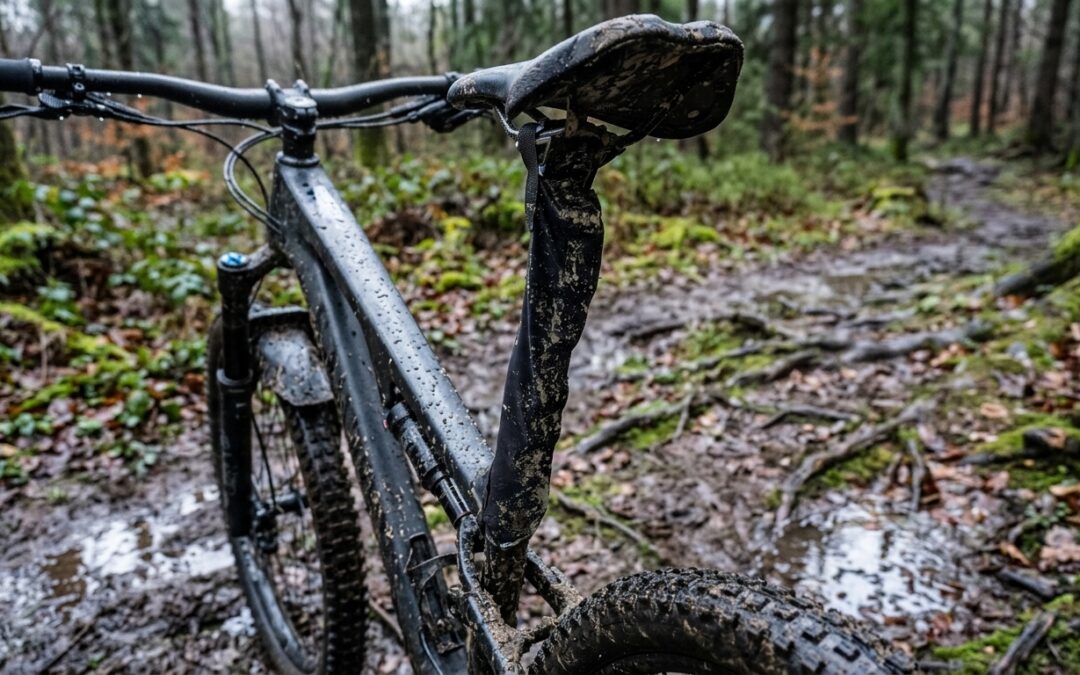
Dropper posts are one of the best upgrades in mountain biking, and also one of the most common things to fail. If your dropper has started sagging, sticking or developing play, you are not alone. The good news is that most failures are preventable once you understand what causes them.
How a dropper post actually works
A dropper post is a telescoping tube. The upper tube (the stanchion) slides inside the lower tube, driven by a sealed air spring or hydraulic cartridge. Press the lever and the post drops under your weight; press it again and the spring pushes it back up. The whole system depends on tight tolerances. The stanchion runs on bushings machined to fractions of a millimetre, and a wiper seal at the collar is the only barrier between the outside world and those internals.
That design works beautifully when everything is clean. It is also exactly why droppers are so vulnerable to dirt.
What actually kills a dropper post?
In a word, dirt. The seat post sits directly in the firing line of everything your rear tyre throws up. Mud, dust and grit build up on the stanchion, and each compression drags a little of it past the wiper seal. Once grit is inside, it contaminates the grease, scores the bushings and eventually works its way into the cartridge. That is when you get sag, slow return, or a post that will not hold its height at all.
Water is the other culprit. Ride in the wet, or wash your bike with a hose pointed at the seat post collar, and water sneaks past the wiper seal the same way. Mix water with grit and you get a grinding paste working away inside a part that costs hundreds of dollars to replace.
There is a third killer worth mentioning: pressure washers. A 100 bar jet aimed at the collar will push water straight past a seal that was only ever designed to stop splash. If you love your pressure washer, keep it away from the seals on your dropper, forks and shock.
How long should a dropper post last?
That depends almost entirely on how much dirt and water it sees. Most manufacturers recommend a lower service every 50 to 100 hours of riding and a full cartridge service every 100 to 200 hours. In practice, plenty of riders run their droppers for years without any service at all, then wonder why the post died. A neglected dropper that gets ridden in wet conditions can start playing up within a single season.
Ridden clean and serviced on schedule, a quality dropper should last the life of the bike. The difference between those two outcomes is mostly what reaches the wiper seal.
What does a dropper post failure cost?
A new dropper post costs upward of $200, and decent ones are closer to $300 to $500. A cartridge replacement is typically $80 to $150 in parts alone. A lower service at your local bike shop is usually $100 or more once parts and labour are included. None of those numbers are disasters on their own. The problem is they repeat. A dropper that lives in muddy conditions without protection can need attention every season.
What can you do about it?
Three things make the biggest difference.
First, keep the stanchion clean. Wipe it down after dirty rides with a clean rag. Takes 30 seconds.
Second, service it on schedule. A regular lower service keeps the seals and bushings fresh and catches problems early. We cover the timing in our dropper post maintenance schedule.
Third, stop the dirt getting there in the first place. This is where a cover earns its keep. A Dropper Saver wraps around the exposed post and shields the stanchion and seal from spray off the rear wheel. It is made from a breathable waterproof material, weighs 26g, and costs $15.95. Compared to a $200+ replacement post, that is cheap insurance. As a bike mechanic mate of ours in Sydney puts it: in theory droppers do not need protection if they are maintained properly, but in reality we are all busy and lazy.
Is a dropper post cover worth it?
The short answer is yes, especially if you ride in wet or dusty conditions, or you know you are not going to service the post as often as the manual says. A cover does not replace servicing, but it stretches the time between services and keeps the internals out of harm’s way. It also works while the bike is on the car rack or ute tray, where road spray gives the seat post a hammering most riders never think about.
Fit it once, pull it off for a hose down when it gets filthy, and your dropper keeps working the way it should. If you want to see how it goes on, the install takes under 5 minutes.
Protect your dropper post for $15.95
Dropper Saver stops the dirt that causes $200+ dropper failures. Worldwide shipping $7.95.